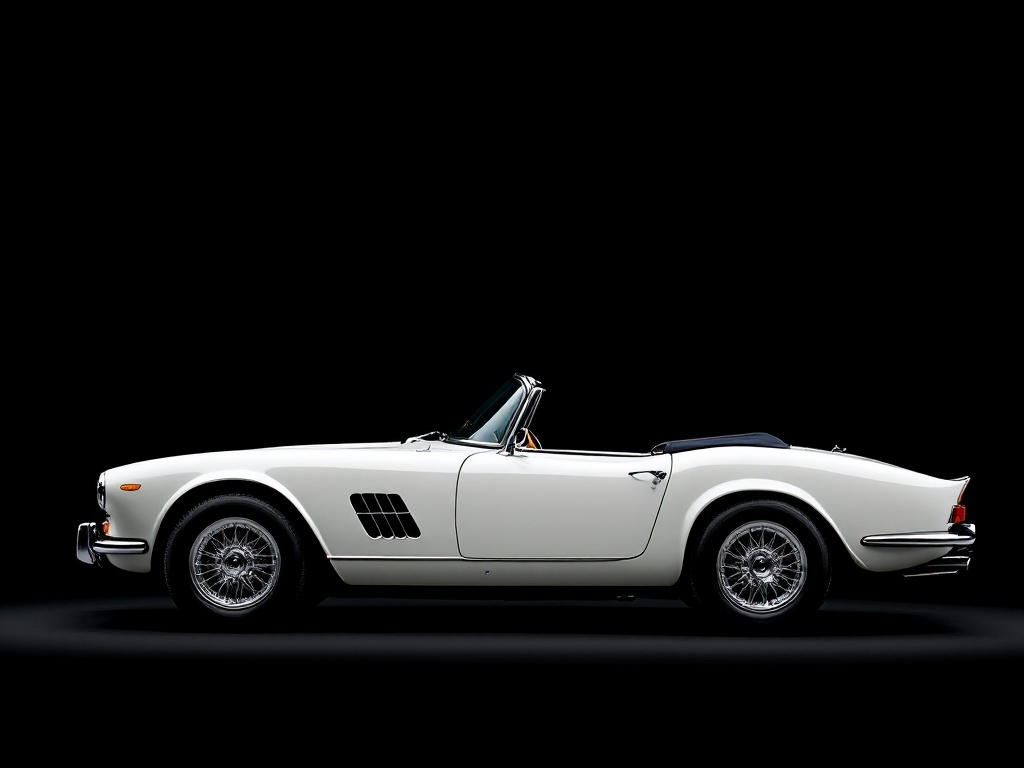
1959 BMW 507 Auction: Explore Its Timeless Elegance
The Timeless Elegance of the BMW 507
The 1959 BMW 507 Auction has captured the interest of car enthusiasts and collectors around the world. The BMW 507 is an iconic car known for its stunning design and historical significance. Produced between 1956 and 1959, the 507 is a rare gem in automotive history. With only 252 units manufactured, this car is both a collector’s dream and a symbol of BMW’s engineering prowess. This article explores its production history, design journey, technical specifications, features, and current market value, including insights into the 1959 BMW 507 Auction landscape.
1959 BMW 507 Auction and Production History
The BMW 507 was produced during a challenging time for BMW. The car was manufactured from 1956 to 1959, with a very limited production run of only 252 examples. This small number stemmed from the car’s high production costs. The manufacturing process was labor-intensive and mainly performed by hand. The financial strain nearly led to BMW’s bankruptcy, highlighting the expensive nature of this remarkable vehicle. The 1959 BMW 507 Auction events often see exceptionally high bids due to the car’s rarity and allure, further emphasizing its significant market value.
Design and Development
Albrecht von Goertz, a talented designer, was the creative mind behind the BMW 507’s stunning looks. He was a protégé of Raymond Loewy, a notable industrial designer. The 507 was developed at the request of Max Hoffman, a key European car importer in the United States. The car made its grand debut in 1955 at the Waldorf Astoria Hotel in New York City, where it captured the attention of enthusiasts and collectors alike. For more information on the Series II design, visit Wikipedia.
Series II Changes
In 1957, BMW unveiled the Series II version of the 507. This iteration included several key refinements intended to improve performance and comfort. The rear cabin space was increased, providing more room for passengers. The fuel tank was relocated and downsized from 120 liters to 65 liters. This made the car lighter and enhanced driving dynamics. Additionally, the compression ratio was raised to 7.8:1, increasing horsepower from 140 to 150 bhp at 5000 rpm. Discover more about the Series II changes at Supercars.net.
Specifications
Engine
The BMW 507 features a powerful 3.2-liter aluminum alloy overhead valve V8 engine. This engine is equipped with twin Zenith 32NDIX carburetors. It produces 150 bhp at 5000 rpm and a torque of 163.7 ft-lbs at 4000 rpm. This combination provides strong performance for such a lightweight sports car.
Transmission
The standard transmission is a close-ratio four-speed manual. There were optional rear-end ratios available, including 3.42:1 and 3.90:1. This variety allowed drivers to customize their driving experience according to their preferences.
Brakes
Early models of the 507 were equipped with Alfin drum brakes. However, the Series II models featured upgraded front Girling disc brakes. This change significantly improved braking performance and safety.
Suspension
The front suspension of the BMW 507 utilizes parallel double wishbones. It features torsion bar springs and an anti-roll bar. The rear suspension consists of a live axle spring by torsion bars. This setup is located by a Panhard rod and a central transverse A-arm, contributing to its smooth handling.
Features and Options
The BMW 507 comes with an impressive array of features. It has a lightweight all-aluminum body, which contributes to its exceptional performance. Optional features included a detachable hardtop, knock-off Rudge wheels, and front disc brakes in later models. The Series II models had additional refinements, such as relocating the fuel tank to the trunk, enhancing the vehicle’s usability.
Market Value and Auctions
The rarity and historical importance of the BMW 507 make it a highly sought-after collector’s item. For instance, a 1957 Series II model with chassis number 70077 was recently listed on a popular auction platform. The bids for this car exceeded $1.6 million, making it a potential record-setting sale. Models like this are often sold for millions, reflecting their desirability in the classic car market. More details on this significant sale can be found on Bring a Trailer.
Frequently Asked Questions (FAQ)
Q: How many BMW 507s were produced?
Only 252 BMW 507s were produced from 1956 to 1959.
Q: What were the key changes in the Series II BMW 507?
The Series II introduced increased rear cabin space, a relocated and downsized fuel tank, and a boosted compression ratio.
Q: Who designed the BMW 507?
The BMW 507 was designed by Albrecht von Goertz, who worked under the guidance of Raymond Loewy.
Q: What is the significance of the BMW 507 in BMW’s history?
The 507 was the most advanced and pricey model of its time. Its high production cost nearly bankrupted BMW.
Q: What are some notable features of the BMW 507?
It features an all-aluminum body, optional detachable hardtop, knock-off Rudge wheels, and front disc brakes on later models.
Conclusion
The BMW 507 continues to be admired for its elegant design and engineering excellence. Its limited production numbers contribute to its allure in the automotive world. As a piece of history, the BMW 507 represents BMW’s innovation and commitment to quality. Today, it remains a prized possession for collectors and a symbol of the golden era of sports cars.


Отправить комментарий