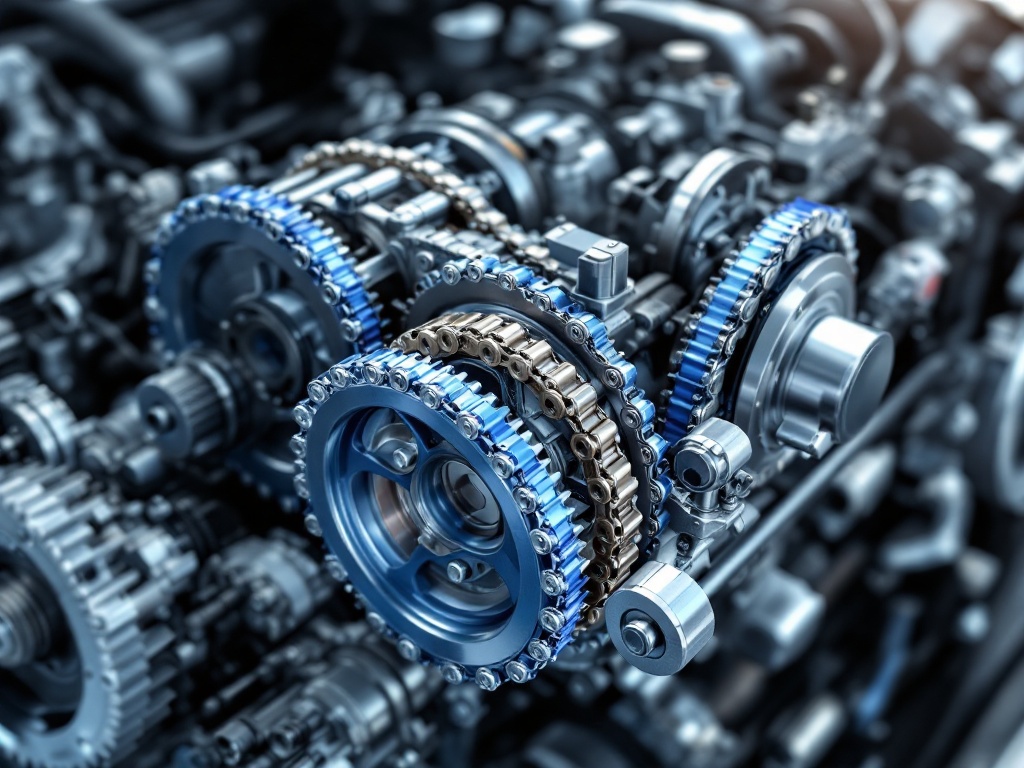
BMW M52 Engine Performance: Key Features and Insights
Key Aspects of the BMW M52 Engine
The BMW M52 engine, a celebrated gem in the automotive world, offers a blend of power and reliability that car enthusiasts highly desire. This article explores its performance, reliability, tuning potential, and common issues. Understanding these aspects will deepen your appreciation of the BMW M52 Engine Performance and its contributions.
BMW M52 Engine Performance
The M52B28 variant, particularly noteworthy, features a 2.8-liter straight-six engine. This powerhouse delivers an impressive output of 193 PS, approximately 190 HP, at 5,300 rpm. Moreover, the engine generates a peak torque of 280 N·m at 3,950 rpm.
The engine’s compression ratio stands at 10.2:1, contributing to its excellent performance characteristics. It has a redline of 6,500 rpm; meanwhile, an even higher-performance variant, the S52, boasts a redline of 7,000 rpm, offering improved performance in high-rev situations. For further specifications, visit Engine Specs.
Benefits of the Performance Features
The M52 engine is lauded for its smooth power delivery, combining efficiency with responsive acceleration. Drivers enjoy a satisfying experience, whether on the highway or city streets. The natural aspiration of the engine enhances this experience, allowing drivers to appreciate the power without encountering turbo lag. Explore more about this engine’s pros and cons on Bimmers Blog.
Reliability of the BMW M52 Engine
The M52 engine’s reliability is generally commendable, largely due to its simplistic design, which contributes to its dependability. However, early models posed some challenges with Nikasil cylinder liners, known for vulnerability to high sulfur fuels.
Fortunately, BMW resolved this in 1998 by switching to steel cylinder liners. Despite this improvement, the M52 engine does have common problem areas, especially in its cooling system, notably in high-mileage engines.
Maintenance for Longevity
Regular maintenance, such as routine oil changes and monitoring coolant levels, is crucial for maintaining the M52’s reliability and preventing overheating. Proper care ensures lasting performance from this robust engine. Pay special attention to the VANOS technology to prevent issues. Discover more about maintenance practices on King Tec Racing.
Tuning Potential of the BMW M52 Engine
The M52 engine is renowned for its tuning potential. Enthusiasts find it easy to enhance performance, with effective methods including upgrading the intake and exhaust systems, leading to increased horsepower and torque.
For more aggressive performance, consider installing forged pistons and connecting rods, which can withstand the heightened stress from tuning. Additionally, an upgraded cooling system is advisable for those pushing the engine’s limits.
The Advantages of Tuning
Featuring a single VANOS system, the M52 provides smooth power delivery at low revs while retaining impressive performance at higher RPMs. This versatility makes it ideal for both daily drivers and performance enthusiasts, excelling on the track with the right upgrades.
Specifications of the BMW M52 Engine
For a comprehensive overview, here are the essential specifications:
- Engine Code: M52B28
- Layout: Inline-6 (Straight-6)
- Fuel Type: Gasoline
- Production Years: 1995-2000
- Displacement: 2.8 L (2,793 cc)
- Fuel System: Fuel injection system
- Max Horsepower: 193 PS at 5,300 rpm
- Max Torque: 280 N·m at 3,950 rpm
- Weight: Approximately 163 kg (360 lbs)
Common Issues and Maintenance of the M52 Engine
While the M52 engine is reliable, common issues do exist. The cooling system often emerges as a weak point, especially in older or high-mileage versions. Regular maintenance, including checking coolant levels, is crucial in avoiding potential failures.
Another problem area involves the Nikasil cylinder liners found in early models, which were vulnerable to high sulfur fuels. However, this issue is less relevant today with modern fuels and newer models.
Double-VANOS technology, while innovative, can present challenges, requiring careful maintenance to function properly. Regular checks and prompt repairs are essential. For in-depth discussions, visit Bimmerforums.
Frequently Asked Questions (FAQ)
What are the key performance figures of the BMW M52B28 engine?
The M52B28 engine produces 193 PS at 5,300 rpm, with 280 N·m of peak torque at 3,950 rpm.
Is the BMW M52 engine reliable?
Yes, the M52 engine is generally reliable, though it can experience issues with the cooling system and double-VANOS in older models.
What are common upgrades for the M52 engine?
Common upgrades include intake and exhaust system modifications, forged pistons, and enhanced cooling systems.
What were the issues with the Nikasil cylinder liners in the M52 engine?
The Nikasil cylinder liners were susceptible to damage from high sulfur fuels. This problem was resolved with the switch to steel liners in 1998.
Understanding the aspects of the BMW M52 engine enriches your knowledge of this iconic powerplant. Whether you’re a seasoned enthusiast or just starting, this engine likely has something to offer you.



Отправить комментарий