Amazon GameLift Concurrent Users Scaling: Understanding Capacity
Understanding Amazon GameLift and Its User Capacity
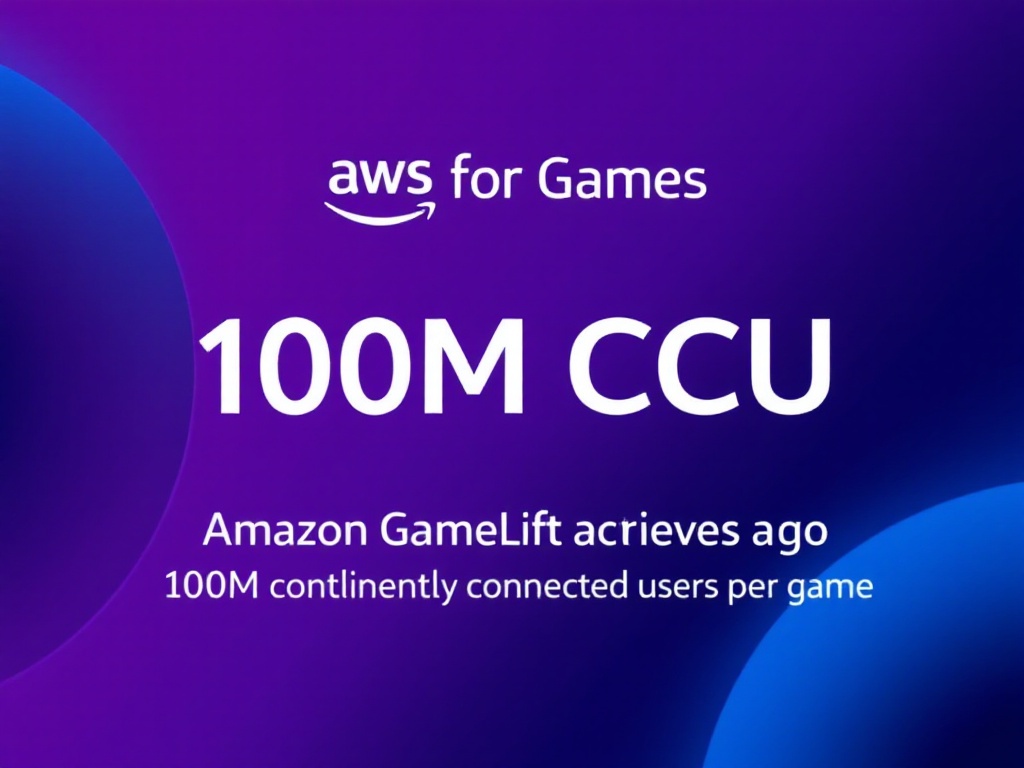
Amazon GameLift is a powerful service for developers of multiplayer games. While it offers impressive features, there are common misconceptions about its capabilities. One such misunderstanding is that Amazon GameLift can support 100 million concurrent users per game. This article clarifies what Amazon GameLift can do regarding Amazon GameLift concurrent users scaling and concurrent user management.
Amazon GameLift Concurrent Users Scaling
Amazon GameLift is architected for large-scale multiplayer games. However, it does not claim to support 100 million concurrent users. For instance, Frag Lab effectively used Amazon GameLift to manage up to 20,000 concurrent users at the launch of their game, Shatterline. This figure provides a realistic scope of the platform’s capacity.
The service is designed primarily for session-based multiplayer games. In these games, the maximum number of connected players per session is often around 200. Games with larger or extended sessions may require custom solutions tailored to their specific needs. This is important to note as developers plan their game server architecture.
Autoscaling and Capacity
One of the standout features of Amazon GameLift is its autoscaling capabilities. This function allows game server resources to dynamically adjust according to player demand. When the player count rises, the system can scale up resources. Conversely, when demand decreases, it can scale down efficiently.
While this functionality is impressive, it typically accommodates thousands or tens of thousands of concurrent users. It does not extend to supporting hundreds of millions of users simultaneously. Understanding this limitation is crucial for game developers aiming for massive user bases.
Real-World Examples
Looking at real-world cases can provide insight into Amazon GameLift’s capabilities. A notable example is Behaviour Interactive, which has reported 50 million players for their game, Dead by Daylight. However, even in this scenario, the service does not equate to 100 million concurrent users.
The game demonstrates how to manage a large player base efficiently over time. The success of Dead by Daylight showcases the ability of Amazon GameLift to support popular games, but it also reflects the realities of concurrent user management.
Key Features of Amazon GameLift
Despite its limitations in user capacity, Amazon GameLift offers numerous features that benefit game developers. These features include robust matchmaking, server management, and player data analytics. Each of these components plays a significant role in enhancing the overall gaming experience.
Matchmaking Services
Effective matchmaking is critical for multiplayer games. Amazon GameLift provides tools to help developers create balanced and competitive games. This ensures that players have a rewarding experience every time they log in.
Player Data Analytics
Insights derived from player data can guide game developers in making informed decisions. Amazon GameLift facilitates analytics tools to monitor player behavior and server performance. This helps developers adjust and improve their games over time.
Conclusion
In summary, Amazon GameLift is a highly scalable solution for multiplayer games. It is designed to manage player bases efficiently but does not support 100 million concurrent users per game. Understanding its capabilities helps developers plan effectively for their gaming projects.
As games continue to evolve, so will the technologies supporting them. Developers can leverage Amazon GameLift to enhance their game’s performance, even with its existing limitations. The focus should be on creating optimized experiences that cater to player needs within the scope of what the platform offers.


Отправить комментарий