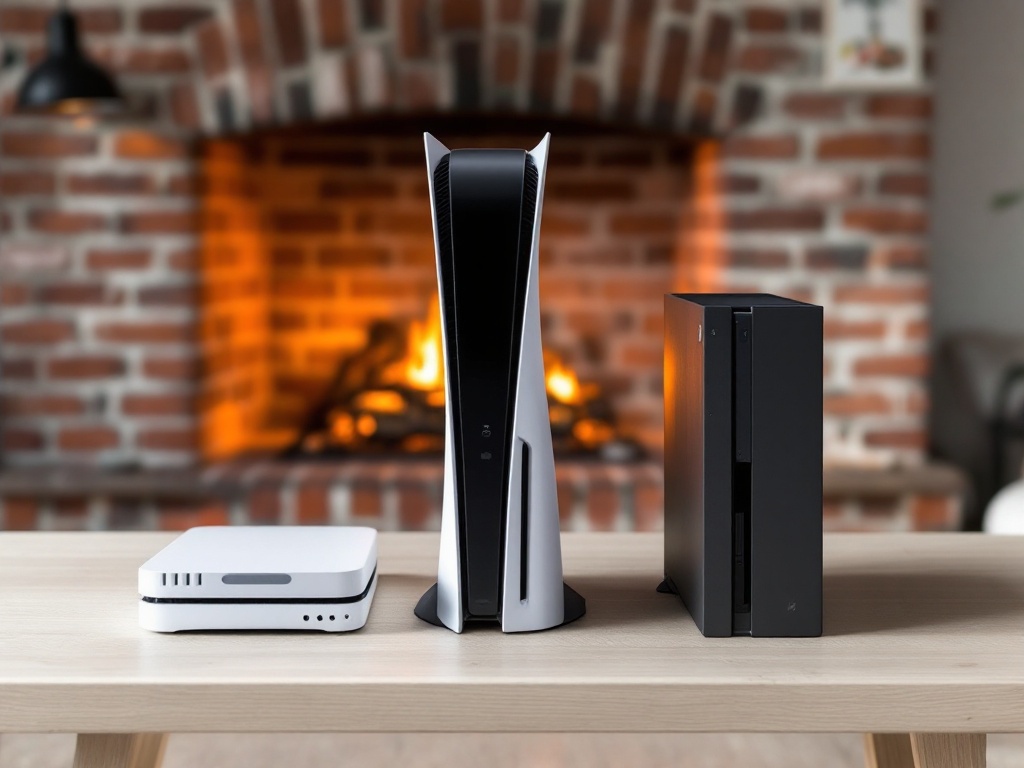
PS5 vs Xbox Series X|S Sales Comparison: Key Insights for 2023
Console Sales Comparison: Key Insights
The gaming console market has seen intense competition between two industry giants: Sony and Microsoft. As we reach the end of 2023, let’s explore the PS5 vs Xbox Series X|S sales comparison to understand the sales performance of their latest consoles, the PlayStation 5 and the Xbox Series X|S. This analysis reveals critical trends and offers insight into the broader gaming ecosystem.
PS5 vs Xbox Series X|S Sales Comparison
By the end of 2023, the total sales of the current console generation surpassed 77 million units. Sony led with over 50 million PlayStation 5 consoles sold. In contrast, Microsoft sold around 26 to 27 million units of Xbox Series X|S. This significant difference illustrates Sony’s dominance in this competitive landscape in sales figures.
Sony’s Leadership
Sony continues to outperform Microsoft in console sales. As of June 2024, Sony reported 61.7 million units of PS5 sold. Meanwhile, Microsoft’s sales figures showed 28.3 million units for Xbox Series X|S. This indicates that Sony’s PS5 sales are roughly double those of Microsoft’s offerings according to industry reports.
Monthly Sales Trends
November 2024 showcased a notable spike in sales for Sony. The company sold over 4.1 million PS5 units, marking a fivefold increase compared to Xbox Series X|S sales, which reached only 767 thousand units during the same period. This surge is also attributed to an 18% year-over-year growth, partly driven by the release of the PS5 Pro.
Regional Sales Performance
Sony’s leadership transcends global sales figures; it also dominates in crucial regions such as Europe and America. This regional success reinforces the overall advantage of the PS5 over its competitors. It highlights the brand’s strong market presence and consumer loyalty.
Microsoft’s Strategy
In recent times, Microsoft has shifted its focus. The company is concentrating on its subscription service, Xbox Game Pass, and cloud gaming initiatives. This strategic pivot reflects a declining interest in Xbox Series X|S hardware, resulting in a corresponding drop in sales. Microsoft aims to build a sustainable ecosystem around its services rather than just console units to drive engagement.
Market Insights
This shift in strategy has implications for the overall gaming market. Players are increasingly drawn to subscription models that offer flexible options for accessing vast game libraries. Microsoft’s focus on cloud services positions it uniquely in this evolving landscape.
Reliable Sources for Sales Data
To substantiate these findings, reliable sources such as VGChartz have confirmed Sony’s leading position in console sales. Financial reports from Take-Two and insights from IDG Consulting, Newzoo, and the Entertainment Software Association also support these statistics. Such sources provide a comprehensive view of the market dynamics.
Frequently Asked Questions (FAQ)
What are the current sales figures for PS5 and Xbox Series X|S?
As of June 2024, Sony has sold 61.7 million units of PS5, while Microsoft has sold 28.3 million units of Xbox Series X|S.
Why does PS5 lead in sales?
PS5’s success can be attributed to exclusive games, enhanced performance, and effective marketing strategies. The recently launched PS5 Pro also contributed significantly to its sales increase.
What strategy is Microsoft adopting for competition?
Microsoft has shifted its focus towards the Xbox Game Pass subscription service and cloud gaming. This approach aims to recapture investment into its platform and adapt to changing consumer preferences.
Final Thoughts
The console sales landscape clearly favors Sony as we approach 2024. The PS5 has established itself as a leader through strategic advantages and a loyal customer base. Meanwhile, Microsoft’s pivot towards services could redefine its role in the gaming industry in the years ahead. As gamers, it will be interesting to observe how these strategies evolve and impact our choices in the future.


Отправить комментарий