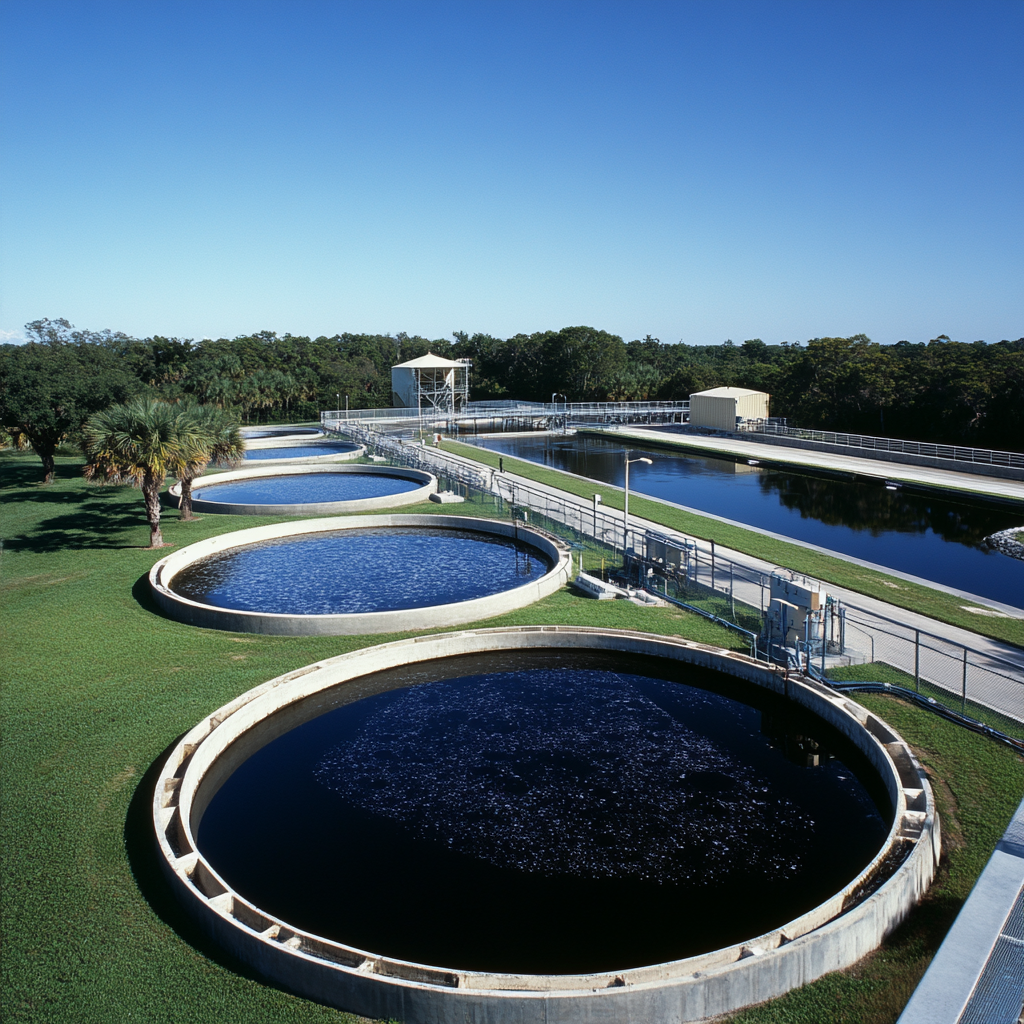
Securing water infrastructure: Essential Strategies for Defense
Securing Water Infrastructure: Safeguarding Water and Wastewater Systems
Securing water infrastructure is essential for public health and safety. Our water and wastewater systems face various threats that can compromise their functionality and reliability. Understanding these threats allows us to strategize better protection measures.
Understanding Security Threats
Water infrastructure encounters numerous security threats. These threats can manifest in various forms, ranging from physical attacks to cyber threats.
Physical Attacks
Physical attacks involve deliberate attempts to damage or disrupt water infrastructure. Vandalism and terrorism can severely impact water supply systems. Protecting against such threats requires effective physical security measures, including fencing, surveillance, and controlled access.
Cyberattacks on Control Systems
The increasing digitization of water systems exposes them to cyber threats. Cyberattacks can disrupt operations and compromise sensitive data. Utilities must implement robust cybersecurity measures to guard against these risks. For more information on the impact of cyber threats, visit CyberScoop.
Chemical and Biological Contamination
Deliberate contamination of water supplies poses major health risks. Chemical spills, industrial accidents, or biological agents can lead to widespread concern. Proactive monitoring systems are essential to detect any anomalies in water quality. Learn more about monitoring systems from the EPA.
Natural Disasters and Climate Change Impacts
Natural disasters, including floods and hurricanes, can damage water infrastructure. Additionally, climate change exacerbates these risks by increasing the frequency and severity of such events. Comprehensive risk assessments help utilities prepare for these inevitable challenges.
Identifying Vulnerabilities
Recognizing the vulnerabilities within water systems is crucial for enhancing their defense. Various factors contribute to these weaknesses.
Aging Infrastructure
Many water and wastewater systems consist of aging infrastructure that requires significant repairs or upgrades. Infrastructure that has not been modernized may fail during critical events.
Lack of Funding for Upgrades and Maintenance
Insufficient funding often limits utilities’ ability to maintain and upgrade their infrastructure. This limitation can jeopardize the reliability of water supplies.
Insufficient Training and Personnel
Adequate training is vital for personnel managing water systems. Lack of proper training can lead to mishandling of situations when threats or emergencies arise. Investing in workforce development is necessary for robust defense strategies.
Interconnectedness and Dependency on Other Critical Infrastructures
Water systems depend on other infrastructures, such as power and telecommunications. This interconnectedness creates vulnerabilities. A failure in one sector may lead to a cascading effect, disrupting water services.
Implementation of Protection Measures
To mitigate risks, utilities need to implement various protection measures. These measures focus on both physical and digital aspects.
Physical Security Enhancements
Enhancing physical security is a primary strategy for safeguarding water infrastructure. Installing fencing, surveillance cameras, and access control will deter unauthorized entry and protect facilities from physical attacks.
Cybersecurity Measures
Utilities must invest in cybersecurity to counteract digital threats. Implementing firewalls, intrusion detection systems, and encryption helps safeguard control systems from cyber intrusions.
Water Quality Monitoring and Early Warning Systems
Real-time water quality monitoring allows utilities to identify contamination quickly. Early warning systems can alert personnel to potential threats, enabling swift responses before issues escalate.
Emergency Response and Contingency Planning
Having an emergency response plan is crucial for every water utility. Such plans provide structured protocols during incidents, allowing for efficient resource allocation and swift communication.
Regulations and Standards
Compliance with regulations and standards is fundamental for water system security. These guidelines ensure operational excellence and public safety.
Compliance with Federal and State Regulations
Water systems must comply with standards like the Safe Drinking Water Act and the Clean Water Act. These regulations establish essential criteria for water quality and infrastructure safety.
Industry Standards and Guidelines
Organizations like the American Water Works Association (AWWA) provide vital resources. These standards offer industry guidelines for safeguarding water infrastructure effectively. Visit AWWA for more information.
Technological Innovations
Embracing technological innovations enhances the security of water systems. These technologies enable improved monitoring and management.
Advanced Water Treatment Technologies
Innovative water treatment technologies allow for more efficient purification processes. These advancements can significantly enhance the safety of drinking water supplies.
Smart Water Grids and IoT Devices
Integrating IoT devices in water systems encourages real-time data collection. Smart water grids enhance operational efficiency while providing crucial information for managing assets effectively.
Data Analytics for Predictive Maintenance and Security
Data analytics offers insights into system performance, enabling predictive maintenance. Identifying weaknesses before failure occurs is critical in maintaining secure and reliable operations.
Community Engagement and Public Awareness
Fostering community engagement plays a vital role in enhancing water system security. Active participation from the public can lead to better conservation and protection efforts.
Public Education on Water Security
Educating the public about water security increases awareness of potential risks. Awareness initiatives can empower communities to participate actively in protecting local water resources.
Collaboration with Local Law Enforcement
Collaborating with local law enforcement enhances security. Authorities can support utilities during emergencies, strengthening overall resilience.
Community-Based Initiatives for Water Conservation
Local initiatives promoting water conservation encourage responsible usage. Engaged communities are more likely to protect their water resources proactively.
International Cooperation
International cooperation is vital for addressing global water security issues. Sharing knowledge and strategies can enhance the overall effectiveness of protection measures.
Sharing Best Practices and Technologies Globally
Countries can benefit from sharing best practices and technological advancements. Effective collaboration promotes innovative solutions to common challenges faced by water systems worldwide.
International Standards and Agreements
Establishing international standards helps ensure a cohesive approach to water security. These agreements facilitate cooperation across borders, enhancing the resilience of global water systems.
Conclusion
In conclusion, securing water infrastructure requires a multi-faceted approach. Understanding security threats, identifying vulnerabilities, and implementing effective protection measures are essential. Furthermore, collaboration and technological innovations will enhance the resilience of these critical infrastructures. By prioritizing water system security, we ensure our communities’ health and well-being for years to come.


Отправить комментарий