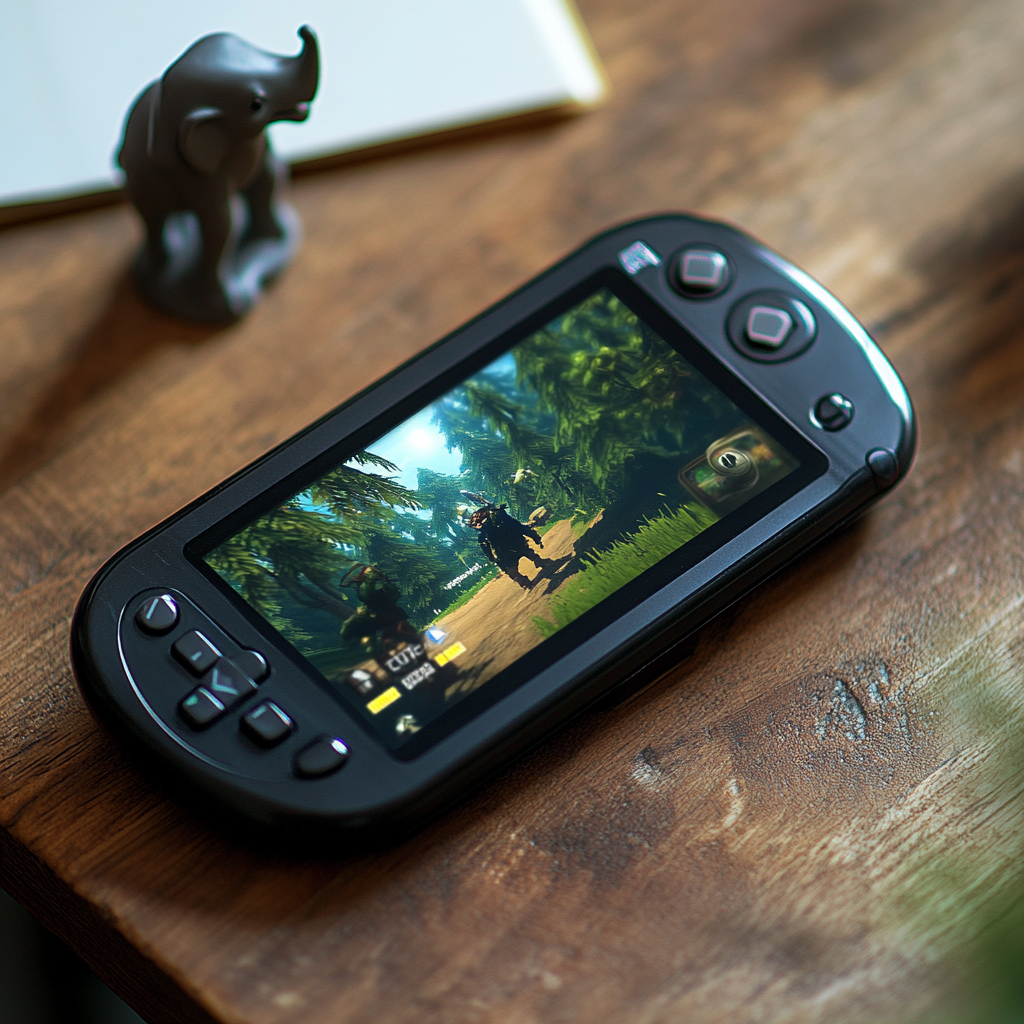
PS Vita Failure Reasons: Key Insights on Market Struggles
PS Vita Failure Reasons
The PlayStation Vita (PS Vita) was a highly anticipated portable gaming console, yet it ultimately failed to make a significant impact on the market. Shuhei Yoshida, the former head of PlayStation Studios, recently opened up about the key factors that contributed to the challenges faced by the PS Vita. This article provides an overview of these insights in a reader-friendly manner.
Lack of Resources
One of the primary PS Vita failure reasons was a shortage of resources within Sony. The company was in a crucial phase, deciding between supporting two major platforms: the PS4 and the PS Vita. Yoshida emphasized that priority was given to the PS4. As a result, the PS Vita received limited attention and support. This allocation of resources meant that the potential of the handheld device was never fully realized, impeding its success.
Design and Functionality Missteps
Yoshida highlighted several design and functionality errors that hurt the PS Vita’s chances.
Proprietary Memory Cards
One significant mistake was the decision to use proprietary memory cards. Not only were these cards expensive, but they also posed convenience issues for users. This choice restricted gamers’ ability to easily expand their storage and contributed to a negative perception of the device.
Back Touch Panel
The addition of a back touch panel was another misstep. While innovative, this feature ended up being largely unused. It complicated the device’s design and increased manufacturing costs without providing sufficient value to justify its existence, leaving many users frustrated.
Only OLED Screen Model
Yoshida also mentioned the decision to launch the PS Vita with only an OLED screen. Although OLED technology is known for its vibrant colors and high contrast, it significantly raised the price of the console. This extra cost served as a deterrent for many potential buyers, especially when compared to competing devices.
Removal of Key Features
Another point raised by Yoshida was the removal of certain features from the final version of the PS Vita. Most notably, the console lacked the ability to output video to external displays. This decision proved to be a major disadvantage, particularly when rival devices, such as the Nintendo Switch, prominently featured this capability.
Conclusions Drawn by Shuhei Yoshida
In summary, Shuhei Yoshida highlighted that the combination of limited resources, design errors, and the elimination of essential features all played roles in the PS Vita’s inability to meet market expectations. The device, while innovative, failed to capture the attention and loyalty of gamers as its competitors did.
Frequently Asked Questions (FAQ)
What were the main reasons for the PS Vita’s struggle?
A: The main reasons included a lack of resources for simultaneous support of the PS4 and PS Vita, errors in design and functionality, and the removal of helpful features.
What specific design issues did the PS Vita have?
A: The PS Vita’s design issues included the use of proprietary memory cards, the addition of a back touch panel, and the decision to offer only an OLED screen model.
How did the removal of the external display output feature affect the PS Vita?
A: This removal was detrimental since external output became a desired feature in other devices like the Nintendo Switch, making the PS Vita less appealing.
Related Resources
For further insights into the reasons behind the PS Vita’s struggles, you can visit the following authoritative resources:
— Ferra.ru article on PS Vita
— GameMag forums
— Championat article on Shuhei Yoshida and PS Vita
The insights provided by Shuhei Yoshida offer invaluable lessons about the intersection of design, resources, and market expectations in the gaming industry. Understanding these aspects can help inform future developments in portable gaming devices and their market strategies.


Отправить комментарий