Accelerating carbon removal solutions: Understanding Their Importance
Understanding Carbon Removal Solutions and Their Importance
Carbon removal is a pressing issue for our planet. As the effects of climate change grow, we face an urgent need to reduce carbon dioxide (CO₂) levels in the atmosphere. The Paris Agreement sets ambitious goals for global net-zero emissions. Achieving these targets requires accelerating carbon removal solutions through effective and scalable strategies. To explore potential business solutions, visit Climate Impact Partners’ Accelerate CDR program.
Accelerating Carbon Removal Solutions: The Need
To meet the Paris Agreement goals, a significant amount of CO₂ must be removed from the atmosphere. By 2050, experts estimate that around 10 billion tonnes of CO₂ need to be eliminated each year. This massive undertaking proves crucial for mitigating the worst impacts of climate change.
Current State of Carbon Removal Technologies
Many carbon removal technologies are still in their early stages. Enthusiasm for these solutions is growing, but the industry is currently in a phase of disillusionment. The promises made must transition into measurable actions to demonstrate effectiveness. It is vital to advance beyond mere concepts to create tangible results. For an in-depth exploration, check out this study on the carbon removal hype cycle.
Funding and Support
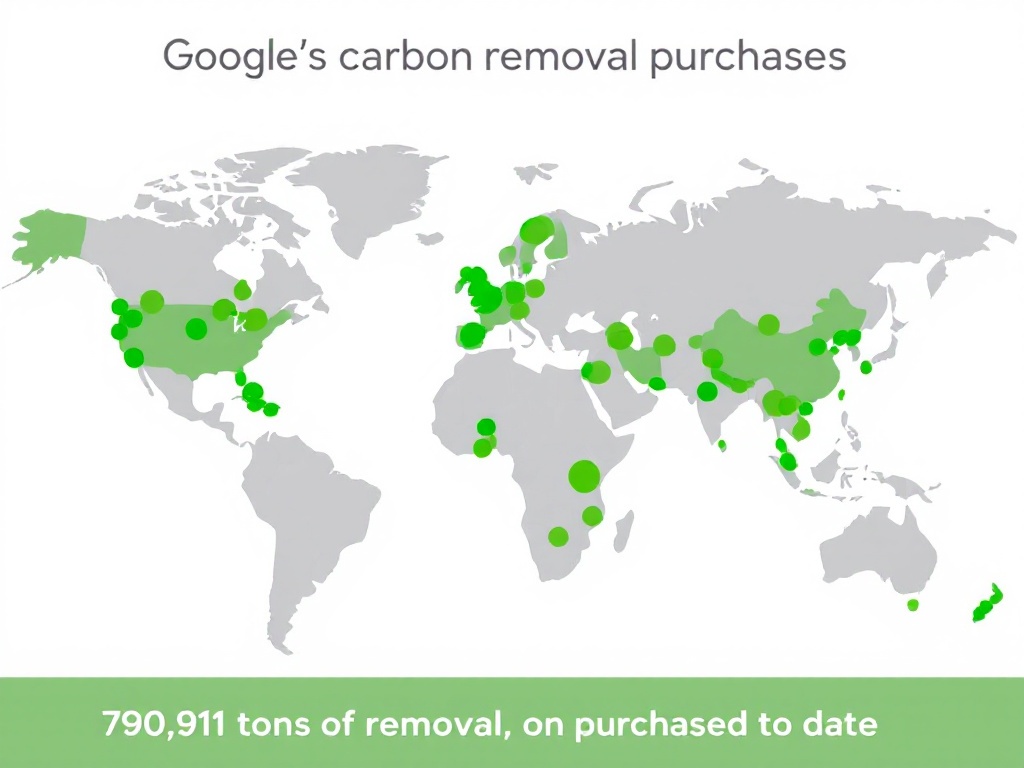
Early-stage funding plays a critical role in developing and scaling innovative carbon removal technologies. Often, these technologies require substantial upfront capital to mature effectively. Current initiatives aim to provide financial support for these efforts. Moreover, Google’s commitment to match the U.S. Department of Energy’s carbon removal credits exemplifies efforts to secure necessary funding. Such financial backing is essential for startups to thrive in this competitive landscape. Discover more about Google’s pledge here.
Public-Private Collaboration
Public-private partnerships are key to commercializing carbon removal technologies. These collaborations enable a fusion of resources, expertise, and influence from both sectors. Notably, Google’s alignment with the U.S. DOE’s $35M carbon removal initiative highlights this synergy.
Additionally, Autodesk’s participation in initiatives like Frontier demonstrates the potential of these partnerships. By pooling resources and knowledge, companies and governments can work together to scale carbon removal solutions more effectively.
Technological Advancements
A variety of carbon removal technologies are currently being developed. These include enhanced rock weathering (ERW), direct air capture, bio-oil sequestration, and ocean alkalinity enhancement. Each method presents unique opportunities and challenges.
However, many of these technologies need significant improvements in cost and efficiency. For mass-market acceptance, they must become economically viable. The ongoing research and development efforts aim to address these critical issues.
Priorities for Scaling Carbon Removal
To bridge the divide between expectations and reality, several priorities for scaling carbon removal have emerged. First, stimulating demand is essential. Strong plans must promote demand across various sectors. The public sector plays a vital role in providing stable signals to drive this demand.
Second, propelling technological progress is necessary. Research and development should focus on enhancing efficiency and reducing costs. This will make technologies more accessible to a broader audience.
Third, driving transparency is crucial. Clear communication regarding the opportunities and challenges can build trust among stakeholders. Lastly, facilitating collaboration among various stakeholders can deepen collective efforts to tackle climate change.
Notable Milestones and Partnerships
Many significant milestones have been achieved in the field of carbon removal. UNDO’s collaboration with Microsoft and other organizations has led to noteworthy advancements in enhanced rock weathering. They have successfully spread over 111,000 tonnes of silicate rock, showcasing the potential impact of these initiatives.
Additionally, publications of peer-reviewed studies have underscored the co-benefits of ERW. These findings illustrate the broader positive effects that carbon removal technologies can have on the environment.
Autodesk’s involvement in initiatives like the Frontier project further demonstrates the importance of collaboration. They provide essential software tools and investment opportunities to support carbon removal entrepreneurs.
Frequently Asked Questions (FAQ)
Why is carbon removal necessary?
Carbon removal is essential for achieving global net-zero emissions. Reducing emissions alone is not enough. Billions of tonnes of CO₂ must be removed annually by 2050 to meet the goals set forth in the Paris Agreement.
What are some challenges facing carbon removal technologies?
These technologies face several challenges. They remain at early development stages and encounter high costs. To achieve scalability, significant reductions in expenses are necessary. Furthermore, robust measurement, reporting, and verification practices are critical to ensure credibility.
How can public-private collaboration help in scaling carbon removal?
Public-private collaboration can provide necessary funding and support. By working together, these sectors can commercialize carbon removal solutions. Google and Autodesk exemplify this effective collaboration through their partnerships with government initiatives.
What are some promising carbon removal technologies?
Several promising carbon removal technologies are being developed. These include enhanced rock weathering, direct air capture, bio-oil sequestration, and ocean alkalinity enhancement. Each of these technologies holds potential in addressing the climate crisis.
In conclusion, as we strive for a sustainable future, the need for effective carbon removal solutions grows ever more urgent. By harnessing innovative technologies and fostering essential partnerships, we can address the challenge of climate change head-on.


Отправить комментарий