AI Self-Healing Road Technology: Future of Smart Infrastructure
The Role of Artificial Intelligence in the Future of Self-Healing Roads
Artificial Intelligence (AI) is transforming various industries, and one of the most exciting applications is AI self-healing road technology. This innovative development promises to enhance road durability and sustainability. In this article, we will explore how AI contributes to this groundbreaking technology by discussing its mechanisms, roles, integration with smart infrastructure, and future possibilities.
Understanding AI Self-Healing Road Technology
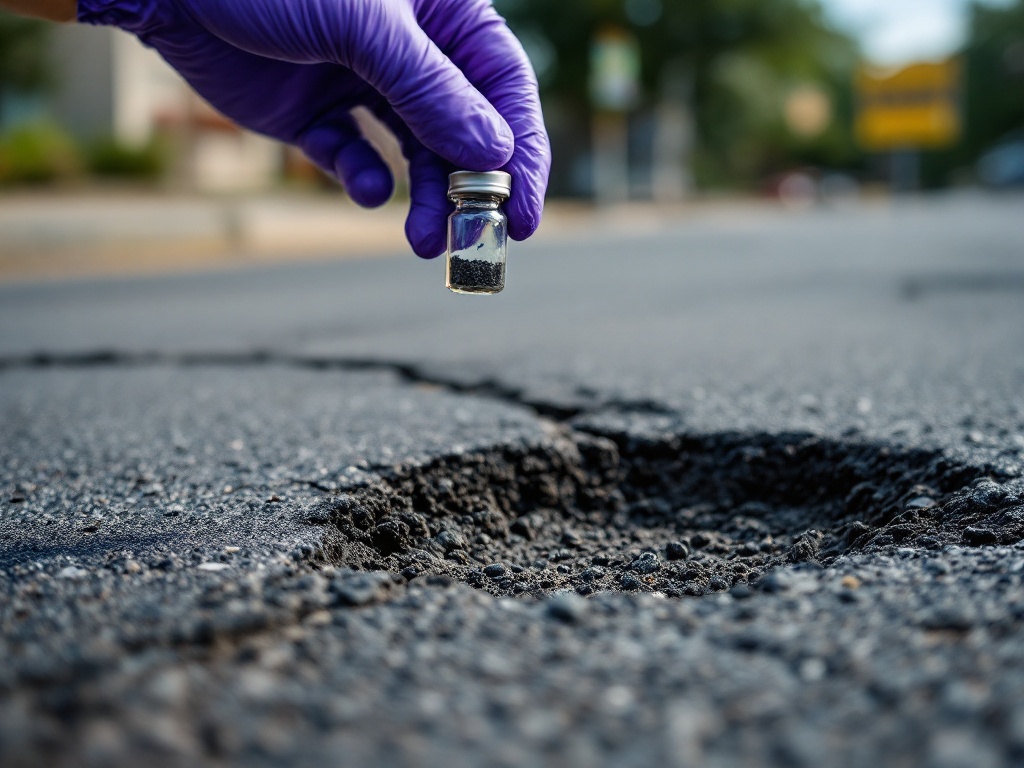
AI self-healing road technology involves creating roads that automatically repair themselves when damage occurs. This approach significantly extends the lifespan of roads while reducing maintenance costs. These roads utilize materials embedded with microencapsulated healing agents. When cracks form, these microcapsules rupture and release a sealant that starts the healing process. For more insights into this technology, you can visit Self Healing Materials.
Different methods achieve this self-repair functionality. One technique incorporates steel fibers for induction heating, while another uses microcapsules that release healing agents upon crack formation. These advances in materials science and engineering make roads more resilient. For additional information, read about some methods for self-healing roads.
The Essential Role of AI in Road Management
AI is crucial in road management and maintenance, enhancing both safety and efficiency. Here, we explore specific areas where AI excels.
Data Collection and Processing
AI systems gather and process data from multiple sources, including sensors embedded in asphalt, drones, and cameras. Real-time monitoring allows tracking of road conditions. Measurements of stress, temperature, vibration, and humidity offer comprehensive insights into road health.
Predictive Analytics
A standout feature of AI is predictive analytics. Algorithms analyze collected data to forecast potential road deterioration. By identifying issues early, agencies can make proactive repairs, helping prevent more significant problems and saving the time and money associated with extensive maintenance.
Anomaly Detection and Image Recognition
AI excels at detecting anomalies in infrastructure by recognizing deviations from standard patterns, such as unusual vibrations or minor cracks. This capability is vital for addressing structural issues promptly. Deep learning algorithms use image recognition to identify even slight changes in road conditions, enabling quick interventions. To learn more about the use of AI in smart infrastructure, refer to Petronaft Co..
Decision-Making and Optimization
AI optimizes traffic management systems to enhance road safety and efficiency. It adjusts traffic signals in real-time based on vehicle flow, weather conditions, or incidents. Moreover, AI prioritizes resources for repairs to ensure that budgets address urgent needs first. Lifecycle analysis delivers insights into choosing the best materials and timing for road resurfacing, thus extending road longevity.
Integration with Smart Infrastructure
AI integrates seamlessly with smart infrastructure technologies, including sensor-enhanced roads and IoT-enabled pavements. For example, Japan has implemented high-sensitivity strain gauges to detect micro-fractures caused by seismic activities. AI-driven analytics help prioritize essential repairs on crucial routes.
Future Possibilities for Self-Healing Roads
The future of self-healing roads looks promising, with innovations likely to include roads that communicate with connected and autonomous vehicles (CAVs). Such connectivity could provide real-time updates on road conditions and traffic. Additionally, augmented reality (AR) may help maintenance crews visualize sensor data, improving repair efficiency.
Another exciting aspect is the potential use of piezoelectric materials, which could convert mechanical stress from traffic into usable electricity, significantly reducing reliance on external energy sources. Discover more about the future of self-healing roads at Highways Today.
Global Examples and Case Studies
Several countries are pioneers in implementing self-healing road technologies. The Netherlands uses steel fibers in asphalt for self-repair via induction heating. The UK employs microcapsule technology for crack healing, while Australia focuses on incorporating recycled materials in road construction. Sweden, on the other hand, uses embedded sensors to monitor stress and predict maintenance requirements.
These global initiatives underscore the diverse approaches to strengthening road infrastructure and demonstrate AI’s practical applications in real-world scenarios. Each case highlights the importance of innovation in transportation networks.
Conclusion
In summary, Artificial Intelligence is pivotal to the evolution of self-healing roads. Its capabilities in real-time monitoring, predictive maintenance, and optimized decision-making foster sustainable, cost-efficient, and safer transportation networks. With continued investment and innovation, significant transformations in infrastructure management are on the horizon.


Отправить комментарий