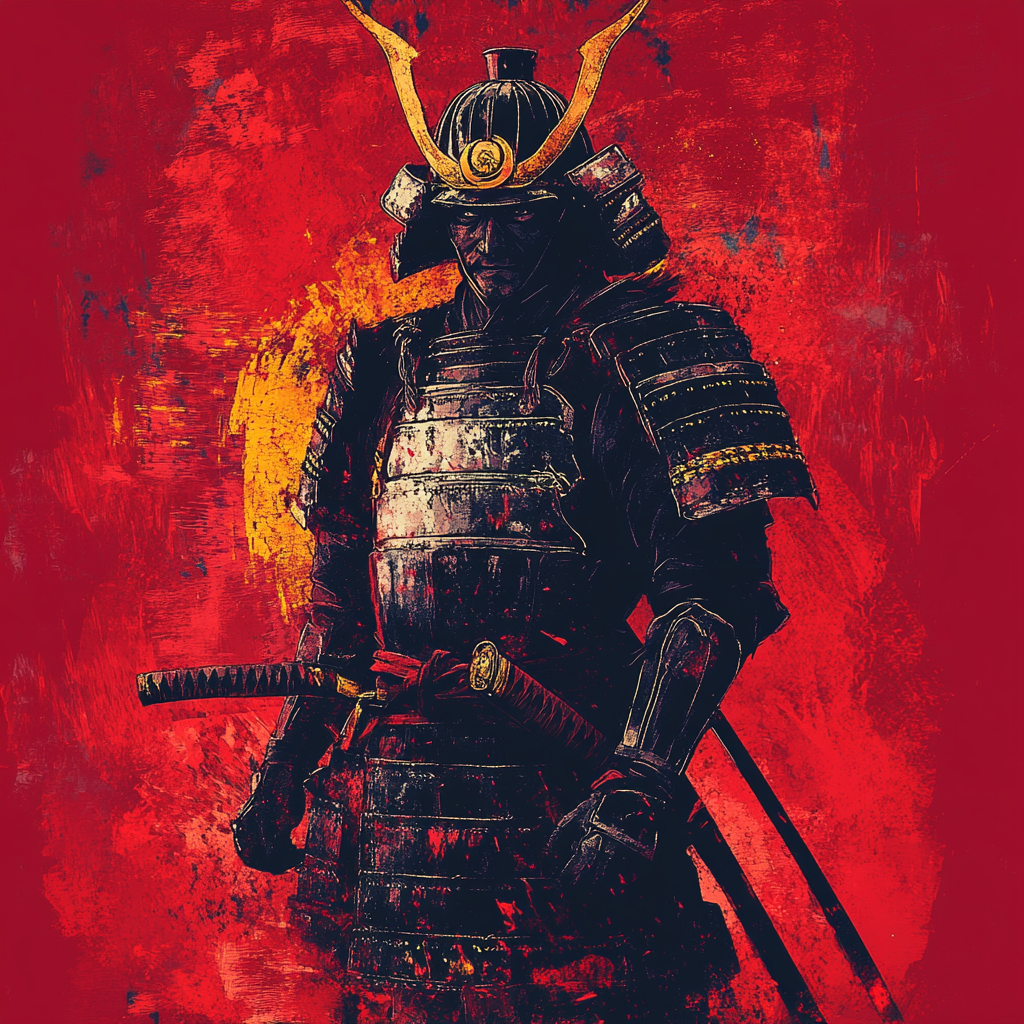
Assassin’s Creed Shadows Japan: Explore Feudal Japan’s History
Assassin’s Creed Shadows Japan: Overview of the Game in Feudal Japan
The upcoming game, Assassin’s Creed Shadows Japan, developed by Ubisoft Quebec, promises to deliver an exciting experience. This action-adventure title centers around stealth and exploration, set in 1579 during the Azuchi-Momoyama period, a significant era in Japanese history marking the conclusion of the Sengoku era, characterized by intense civil wars across the nation.
The game’s expansive world immerses players, drawing comparisons to previous installments like Assassin’s Creed Origins. Players can interact with a dynamic environment that changes with the seasons. The gameplay encourages effective manipulation of shadows and incorporates new parkour mechanics. Notable features include a grappling hook and crawling in shallow waters, which enhance the overall gameplay experience and promise an engaging adventure.
Historical Characters and Events
A critical aspect of Assassin’s Creed Shadows Japan lies in its incorporation of historical figures and events. Characters such as Oda Nobunaga, a renowned military leader, play vital roles in the narrative. The game depicts significant historical events, including Nobunaga’s assault on the Iga province in 1581. However, this historical representation has elicited mixed reactions.
Ubisoft has encountered criticism from the Japanese public concerning certain portrayals. Some audience members feel that the game does not adequately represent the essence of Japanese culture and history. In light of this feedback, Ubisoft released a statement acknowledging the concerns within the Japanese community. The development team has worked alongside historians and cultural consultants to ensure a respectful representation of the era.
Controversies Surrounding the Game
One of the main controversies involves the depiction of historical figures, particularly Yasuke. Critics argue that Yasuke’s portrayal does not align with historical records, leading to significant backlash from Japanese audiences.
Moreover, the game’s overall portrayal of Japanese culture and history has sparked significant debate. Detractors contend that Ubisoft’s interpretation lacks authenticity and respect for traditional Japanese values, increasing discontent among players and raising questions about the company’s commitment to historical accuracy.
Despite the ongoing controversies, the development team is dedicated to refining their approach, striving to create a game that honors its historical context while delivering an entertaining experience.
Gameplay Features and Innovations
Assassin’s Creed Shadows Japan features innovative mechanics that enhance player engagement. The manipulation of shadows enables stealthy movements, granting players tactical advantages. The grappling hook introduces verticality to exploration, promoting creative navigation through the environment.
Crawling mechanics allow players to remain undetected while sneaking past enemies. Additionally, using a bamboo stick for underwater breathing adds a distinctive survival dimension to gameplay. These features aim to elevate the player experience and challenge traditional gameplay styles.
Furthermore, the game presents an advanced weapon system paired with intricate skill trees, allowing players to customize their combat styles according to personal preferences. This flexibility encourages exploration and experimentation, resulting in a more dynamic gameplay experience.
Historical Accuracy and Cultural Representation
The discourse surrounding historical accuracy remains critical. While Assassin’s Creed Shadows Japan incorporates genuine historical events, its interpretations have faced skepticism. Critics stress the importance of precise cultural representation, particularly in games grounded in real-world history.
Concerns raised by the Japanese community underscore the necessity for sensitivity. Accurate portrayals foster a greater appreciation for history and tradition. Ubisoft’s commitment to partnering with experts demonstrates an awareness of the gravity of their choices.
Recognizing and addressing these issues is paramount for any historical game. Developers must aim to create experiences that resonate respectfully with audiences. By balancing storytelling with authenticity, they can construct engaging narratives without compromising cultural integrity.
Frequently Asked Questions (FAQ)
What historical period is the game set in?
Assassin’s Creed Shadows Japan unfolds in 1579 during the Azuchi-Momoyama period, a significant time in Japan’s history.
What new gameplay mechanics are featured?
Players can enjoy manipulating shadows, utilizing a grappling hook, crawling, and enhanced weapon systems.
Why has the game faced controversy in Japan?
Criticism centers on the portrayal of historical figures, particularly Yasuke, and cultural representation viewed as inaccurate by some audiences.
Concluding Thoughts
Assassin’s Creed Shadows Japan is generating significant interest due to its unique setting and gameplay innovations. While it entices players with its expansive world and mechanics, the controversies regarding its historical and cultural portrayals deserve attention. Ubisoft’s proactive response to addressing these issues could significantly influence the game’s reception both critically and commercially.
As fans eagerly await its release, it will be fascinating to observe how the developers achieve a balance between entertainment and respect for the cultural heritage they aim to showcase. Engaging with communities, historians, and players will be essential in ensuring that the game honors its historical roots while providing a thrilling experience. For more insights, check out this article or view the trailer. Additionally, you can learn about announcements concerning the Japanese community at this link.


Отправить комментарий